Image 1 of 1
Canyon de Chelly, Apache County, Arizona. According to Navajo legend, Spider Woman, who was the first to weave the web of the universe, lives there.
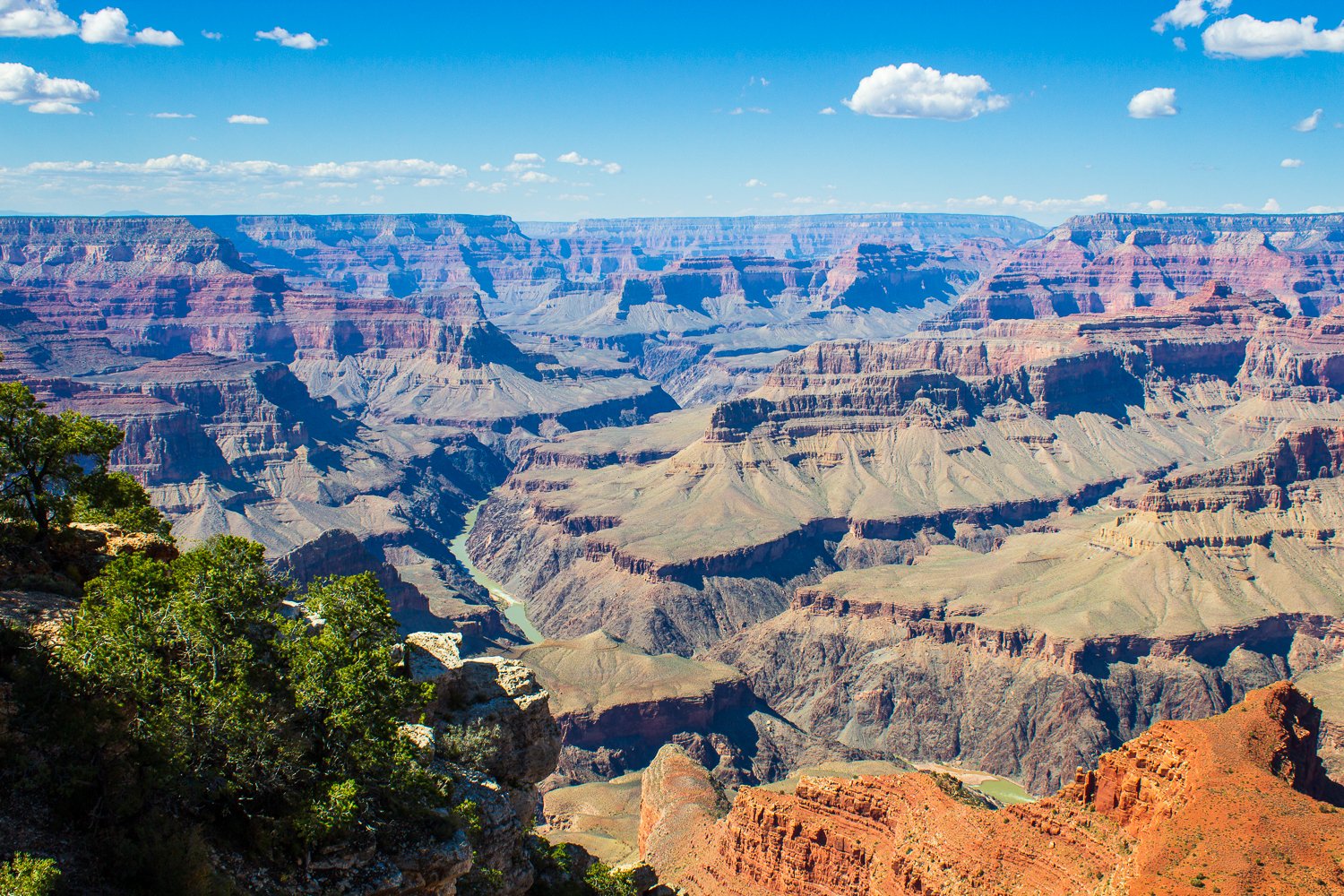
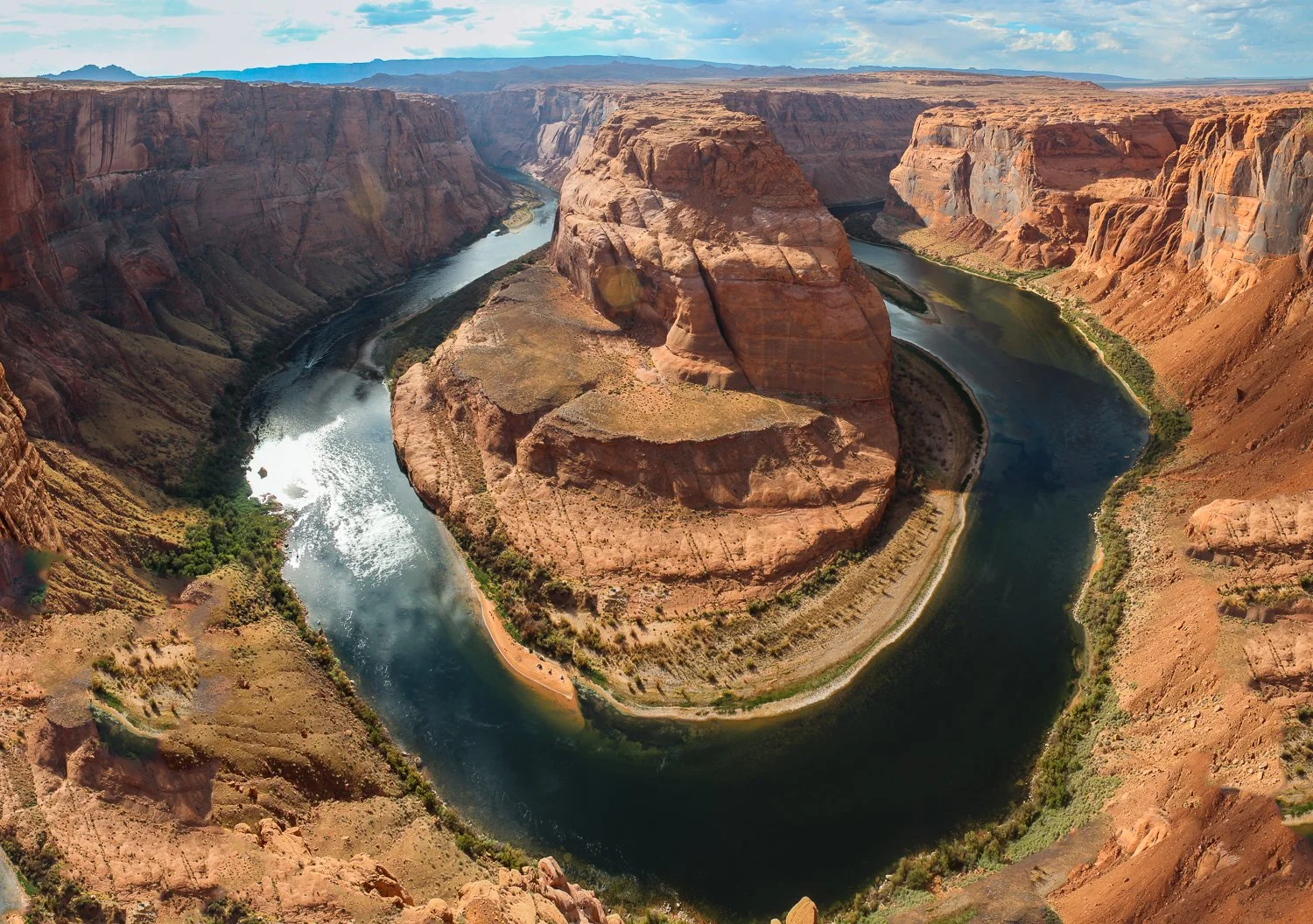
Canyon de Chelly is less visited than the Grand Canyon or Monument Valley, but no less spectacular. The canyon system cuts through the Navajo Nation, its walls holding both natural beauty and ruins of Puebloan dwellings. Spider Rock, standing at the junction of two canyons, is its most dramatic feature — a slender tower that seems too thin to stand, yet has stood for millions of years.
The Navajo associate Spider Rock with Spider Woman, a figure of creation mythology who taught weaving to the people. Parents also told children that Spider Woman would descend to carry away those who misbehaved — the white cap on the rock was said to be the bones of disobedient children. A story that gives the formation meaning beyond geology.
Access to the canyon floor requires Navajo guides, protecting sacred sites and the residents who still live and farm in the canyon. The view from above is impressive enough, Spider Rock rising against the far wall like an impossible natural monument.
Limited edition Chromaluxe metal print. The brushed finish adds texture that complements the stone. Arizona photography where geology meets mythology.
Canyon de Chelly, Apache County, Arizona. According to Navajo legend, Spider Woman, who was the first to weave the web of the universe, lives there.
Canyon de Chelly is less visited than the Grand Canyon or Monument Valley, but no less spectacular. The canyon system cuts through the Navajo Nation, its walls holding both natural beauty and ruins of Puebloan dwellings. Spider Rock, standing at the junction of two canyons, is its most dramatic feature — a slender tower that seems too thin to stand, yet has stood for millions of years.
The Navajo associate Spider Rock with Spider Woman, a figure of creation mythology who taught weaving to the people. Parents also told children that Spider Woman would descend to carry away those who misbehaved — the white cap on the rock was said to be the bones of disobedient children. A story that gives the formation meaning beyond geology.
Access to the canyon floor requires Navajo guides, protecting sacred sites and the residents who still live and farm in the canyon. The view from above is impressive enough, Spider Rock rising against the far wall like an impossible natural monument.
Limited edition Chromaluxe metal print. The brushed finish adds texture that complements the stone. Arizona photography where geology meets mythology.